

Equity Release vs Remortgage for Home Improvements: Equity release and remortgaging can both help homeowners raise money from their property, but they work very differently.
A remortgage usually means switching to a new mortgage deal, often borrowing more money and making monthly repayments. Lenders usually check your income, affordability, age, credit history and property details.
Equity release, usually through a lifetime mortgage, is designed for homeowners aged 55 and over. It allows you to access money tied up in your home while continuing to live there. Monthly repayments are not always required, although some plans allow voluntary payments.
For home improvements, the right option depends on your age, income, mortgage balance, property value, future plans, inheritance goals and whether you can afford monthly repayments.
Equity release may be worth exploring if a standard remortgage is difficult because of age, retirement income or affordability. Remortgaging may be more suitable if you can afford repayments and want to keep more control over the total borrowing cost.
Before deciding, compare both options with a qualified adviser. You can learn more about equity release.
What is the Difference Between Equity Release and Remortgaging?
The main difference is how the borrowing is repaid.
With a remortgage, you usually move your existing mortgage to a new deal. You may borrow more against the property, then repay the loan through monthly payments. The lender will usually assess whether your income can support the borrowing.
With equity release, the most common option is a lifetime mortgage. This lets eligible homeowners release money from their property. The loan is secured against the home and is usually repaid when the property is sold after death or a move into long-term care.
This means remortgaging is usually based heavily on income and affordability, while equity release is usually based more on age, property value, health, lender criteria and the amount of equity in the home.
Equity Release vs Remortgage: Quick Comparison
| Feature | Equity release | Remortgage |
|---|---|---|
| Typical age group | Usually homeowners aged 55+ | Broad age range, subject to lender criteria |
| Common product type | Lifetime mortgage | Residential mortgage |
| Monthly repayments | Not always required | Usually required |
| Affordability checks | Still important, but assessed differently | Usually central to the decision |
| Ownership | Usually retained with a lifetime mortgage | Retained if repayments are maintained |
| Interest | Can roll up if unpaid | Usually paid monthly |
| Effect on inheritance | Can reduce the value of the estate | Can also reduce equity if borrowing increases |
| Suitability | Often considered in later life | Often considered where income supports repayments |
| Advice needed | Specialist equity release advice | Mortgage advice recommended |
Using Equity Release or Remortgaging for Home Improvements
Home improvements are one of the common reasons homeowners compare equity release and remortgaging. The money may be used to repair, adapt or improve the property.
This could include:
- Replacing a kitchen or bathroom
- Installing a walk-in shower
- Improving heating, insulation or windows
- Repairing a roof or structural issue
- Making the home more accessible
- Creating downstairs living space
- Modernising an older property
- Improving comfort in later life
The important question is not only “Can I raise the money?” It is also “Which borrowing route is suitable for my long-term circumstances?”
When a Remortgage May Be Suitable
A remortgage may be suitable if you have enough income to support monthly repayments, meet the lender’s affordability checks and want to borrow in a more traditional way.
It may be worth considering if:
- You are still working or have reliable pension income
- You can comfortably afford monthly repayments
- You want to manage the loan balance through regular payments
- You have enough equity in your home
- You are not restricted by age-related lender criteria
- You want to compare rates across standard mortgage products
A remortgage may offer more control over repayment if monthly payments are affordable. However, it can be harder to access later in life if income is lower, the mortgage term is restricted or the lender has concerns about affordability.
When Equity Release May Be Suitable
Equity release may be suitable if you are aged 55 or over, own a suitable property and want to access money from your home without taking on standard monthly repayments.
It may be worth exploring if:
- A remortgage is difficult because of age or affordability
- You are retired or approaching retirement
- Your income is fixed or limited
- You want to stay in your home
- You need funds for meaningful home improvements
- You want repayment flexibility
- You understand the impact on inheritance and estate value
A lifetime mortgage can allow interest to roll up, although some plans allow voluntary repayments. This can make it more flexible for some borrowers, but it may also increase the amount owed over time.
For more detail, read our guide to an equity release mortgage.
Which is Better for Home Improvements?
Neither option is automatically better. The better choice depends on your circumstances.
A remortgage may be better if you can afford repayments, want to limit interest build-up and meet lender criteria.
Equity release may be better if you are aged 55 or over, want to avoid mandatory monthly repayments and a standard mortgage is not suitable.
The decision should be based on:
- Your age
- Your income
- Your existing mortgage balance
- Your property value
- How much you need
- The type of home improvements planned
- Whether the work is essential or optional
- Your plans for moving home
- Your inheritance wishes
- Your eligibility for benefits
- Your long-term care planning
If you are unsure how much may be available, read How Much Equity Can I Release?.
Cost Differences Between Equity Release and Remortgaging
The cost structure is different.
With a remortgage, you usually repay capital, interest or both through monthly payments. This can help stop the balance from growing if repayments are maintained. However, affordability checks may limit how much you can borrow.
With equity release, monthly repayments are not always required. If interest is not paid, it can roll up over time. This means the final balance can grow, reducing the value left in the property.
You should compare:
- Interest rates
- Product fees
- Valuation fees
- Advice fees
- Legal fees
- Early repayment charges
- Monthly repayment commitments
- Total cost over time
- Impact on inheritance
A lower monthly payment does not always mean a lower overall cost. This is one of the main reasons personalised advice is important.
Risks of Equity Release Compared with Remortgaging
Equity release can be helpful for some homeowners, but it carries important risks.
It may:
- Reduce the value of your estate
- Affect inheritance
- Affect means-tested benefits
- Limit future borrowing options
- Make moving home more complex
- Increase the amount owed if interest rolls up
- Include early repayment charges
Remortgaging also has risks. If you cannot keep up repayments, your home may be at risk. Borrowing more can increase your monthly costs and extend financial commitments into later life.
Both options need careful comparison before a decision is made.
Why Advice Matters When Comparing Both Options
A good adviser should not look at equity release in isolation. They should compare it with other routes, including remortgaging, further advances, retirement interest-only mortgages, downsizing, savings, family support and grants where relevant.
Specialist advice can help you understand:
- Whether equity release is suitable
- Whether remortgaging is realistic
- How much you may be able to borrow
- What the monthly cost could be
- What happens if interest rolls up
- How the decision affects inheritance
- Whether benefits could be affected
- What happens if you move home later
- Whether the home improvement plans justify the borrowing
Equity Release vs Remortgage: Which Should You Consider First?
If you can afford monthly repayments and meet lender criteria, a remortgage may be worth reviewing first.
If remortgaging is not suitable because of age, income, affordability or retirement circumstances, equity release may be worth exploring.
However, this does not mean equity release is only a fallback. For some homeowners, it may offer the flexibility they need. For others, the long-term cost and impact on inheritance may make it unsuitable.
The right route should be based on advice, not assumptions.
Questions to Ask Before Deciding
Before choosing between equity release and remortgaging, ask:
- Do I need to borrow, or can I use savings?
- Can I afford monthly repayments?
- Would a lender approve a remortgage?
- Am I eligible for equity release?
- How much do I need for the work?
- Is the home improvement essential?
- How long do I plan to stay in the property?
- How would each option affect inheritance?
- Could my benefits be affected?
- What are the total costs over time?
- What happens if I want to repay early?
- Have I compared all suitable alternatives?
Speak to an Adviser Before Choosing
Choosing between equity release and remortgaging is not just about the amount you can borrow. It is about affordability, suitability, future flexibility and long-term impact.
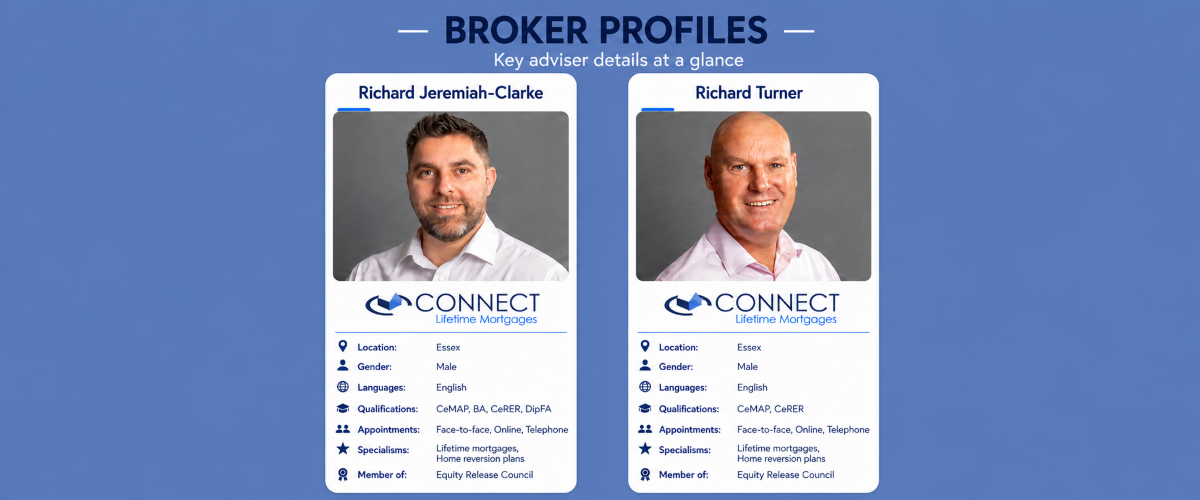
If you are aged 55 or over and considering home improvements, Connect Lifetime Mortgages can help you understand whether equity release may be suitable and how it compares with remortgaging.
FAQs About Equity Release vs Remortgage
Is equity release the same as remortgaging?
No. A remortgage usually replaces your current mortgage with a new deal and usually involves monthly repayments. Equity release, usually through a lifetime mortgage, allows eligible homeowners aged 55 and over to access money from their home, often without mandatory monthly repayments.
Can I use equity release instead of remortgaging?
Yes, some homeowners use equity release as an alternative to remortgaging, especially where age, income or affordability makes a standard mortgage difficult. It is not automatically suitable and should be compared with other options first.
Is equity release cheaper than remortgaging?
Not always. Equity release may have no mandatory monthly repayments, but interest can roll up and increase the final amount owed. A remortgage may involve monthly repayments, but these can help manage the balance over time. The total cost depends on the product, rate, term and repayment approach.
Can I remortgage in retirement?
Some lenders offer mortgages in retirement, but eligibility depends on income, age, affordability, credit history, property value and lender criteria. If a remortgage is not suitable, equity release may be explored as an alternative.
Does equity release affect inheritance more than a remortgage?
It can. If interest rolls up over time, equity release may significantly reduce the value left in the estate. A remortgage can also reduce equity, but regular repayments may help control the balance. The impact depends on the amount borrowed and how it is repaid.
Which option is better for home improvements?
A remortgage may suit homeowners who can afford monthly repayments and meet lender criteria. Equity release may suit homeowners aged 55 or over who want to access property wealth without standard monthly repayments. Advice is needed before deciding.
Can I still move home after equity release?
Some equity release plans may be portable, but this depends on the provider, property type and plan terms. You should check this before proceeding.
What should I compare before choosing?
Compare affordability, interest rates, fees, repayment options, inheritance impact, benefit impact, moving plans, early repayment charges and whether the borrowing is suitable for the planned home improvements.
Final note
Equity release and remortgaging can both help fund home improvements, but they are not the same. Remortgaging is usually driven by income and monthly affordability. Equity release is usually designed for later-life homeowners who want to access property wealth, often without mandatory monthly repayments.
The right choice depends on your circumstances, not the product name.
Your home may be repossessed if you do not keep up repayments on your mortgage or loans secured on it.
Equity release plans are not right for everyone. They may reduce the value of your estate and could affect your entitlement to means-tested benefits. To understand the features and risks, ask for a personalised illustration.