

Downsize or Equity Release? Should you downsize or use equity release to stay in your home?
If you want to access money from your property in later life, two of the biggest options are downsizing or equity release. Downsizing means selling your current home and moving to a lower-value property. Equity release may allow you to release money from your home while continuing to live there.
For many homeowners, the decision is not only financial. It can involve family, independence, memories, location, health, inheritance and future care planning. This guide explains how to compare downsizing with equity release, what to think about before deciding, and why speaking with a qualified adviser is important.
Downsize or Equity Release?
Equity release may suit homeowners who want to stay in their homes and access the money tied up in their property. The most common form is a lifetime mortgage, which is a loan secured against your home.
Downsizing may suit homeowners who are ready to move, want to reduce running costs, or prefer to avoid long-term borrowing secured against their home.
Equity release can reduce the value of your estate and may affect your entitlement to means-tested benefits. Downsizing can release money without taking a lifetime mortgage, but moving can be costly, emotional and disruptive.
Before deciding, compare both options carefully and speak with a qualified adviser. You can find an equity release mortgage broker who can explain the risks, costs and alternatives.
What is Equity Release?
Equity release allows eligible homeowners to access money tied up in their property while continuing to live there.
The most common type of equity release is a lifetime mortgage. This is a loan secured against your home. You usually keep ownership of the property, and the loan is normally repaid when the property is sold after you pass away or move permanently into long-term care.
Some lifetime mortgages allow interest to roll up, meaning it is added to the loan. Some plans may allow voluntary repayments or interest payments, depending on the lender and product.
You can read more about how this works in the equity release mortgage guide.
For independent public guidance, MoneyHelper explains how a lifetime mortgage works and why it is important to understand the risks before proceeding: MoneyHelper lifetime mortgage guide.
What Does Downsizing Mean?
Downsizing means selling your current home and moving to a lower-value property. The money left after selling, buying the new home and paying moving costs can then be used for retirement income, home adaptations, family support, debt repayment or later-life planning.
Downsizing can be a practical option if your home is too large, expensive to maintain, difficult to manage, or no longer suitable for your future needs.
However, downsizing is not always straightforward. You may need to consider estate agent fees, legal fees, stamp duty where applicable, removals, repairs, emotional attachment, local property prices, family location and whether suitable homes are available.
Equity Release vs Downsizing: The Key Difference
The main difference is simple.
Equity release may allow you to stay in your current home while releasing funds from it. Downsizing usually means selling your home and moving elsewhere to release money.
That difference matters because the right choice depends on what you value most: staying where you are, avoiding long-term borrowing, protecting inheritance, reducing living costs, supporting family, or planning for future care.
Quick Comparison: Downsizing or Equity Release?
| Question | Equity release | Downsizing |
|---|---|---|
| Do you stay in your current home? | Usually yes, with a lifetime mortgage, provided terms are met | No, you sell and move |
| Do you take out a secured loan against your home? | Usually yes | Not necessarily |
| Can it reduce inheritance? | Yes, often | It can, depending on how released funds are used |
| Can it affect means-tested benefits? | Yes, it may | Yes, if released funds increase savings or capital |
| Are monthly repayments always required? | Not always, depending on the plan | No, unless you take a new mortgage |
| Is advice important? | Yes, specialist advice is essential | Yes, especially if comparing with equity release |
| Can it be emotionally difficult? | It may affect family inheritance expectations | Moving from a long-term home can be emotional |
| Is it suitable for everyone? | No | No |
When Equity Release May Be Worth Considering
Equity release may be worth discussing if you:
- Are usually aged 55 or over
- Own a UK property
- Want to stay in your home
- Need to repay an existing mortgage
- Want to adapt your home for later life
- Want to help children or grandchildren
- Need extra retirement income
- Want to avoid moving
- Have considered alternatives such as downsizing, remortgaging or using savings
Equity release should not be rushed. The right adviser should explain how much you may be able to release, how interest could build over time, how your estate may be affected and whether another option may be more suitable.
If you want to compare advisers, you can search for Equity Release Council member advisers through Connect Experts.
When Downsizing May Be The Better Route
Downsizing may be more suitable if:
- You are comfortable moving home
- Your current home is too large or costly to maintain
- You want to avoid taking a lifetime mortgage
- You want to release money without interest rolling up
- You can find a suitable, smaller property
- You want to reduce household bills
- You want to simplify your home and lifestyle
- Preserving inheritance is a priority
Downsizing may sound simple, but the final amount available depends on sale price, purchase price, moving costs, legal costs, estate agent fees, repairs and local market conditions.
It is also important to think about whether the new home will still meet your needs in later life.
Why Many Homeowners Compare Equity Release with Downsizing
Many homeowners ask the same question: “Do I really need to move to access money from my home?”
That is where equity release enters the conversation. A lifetime mortgage may allow you to stay in your home while accessing some of its value. This can be appealing if your home is near family, suitable for your health needs, or emotionally important to you.
However, staying put can come at a cost. Interest may build over time, the amount owed can increase, and the value of your estate may reduce.
Downsizing may avoid some of those borrowing costs, but it can involve a major life change.
The right answer depends on your personal circumstances, not just the value of your property.
What Could Equity Release Be Used For?
Homeowners may consider equity release for many reasons, including:
- Repaying an existing mortgage
- Making home improvements
- Adapting the home for mobility or care needs
- Supporting children or grandchildren
- Improving retirement income
- Paying for care-related costs
- Clearing selected debts
- Creating a financial reserve in later life
Using equity release to repay debt needs careful advice. Unsecured borrowing may effectively become linked to your home if it is repaid using a lifetime mortgage.
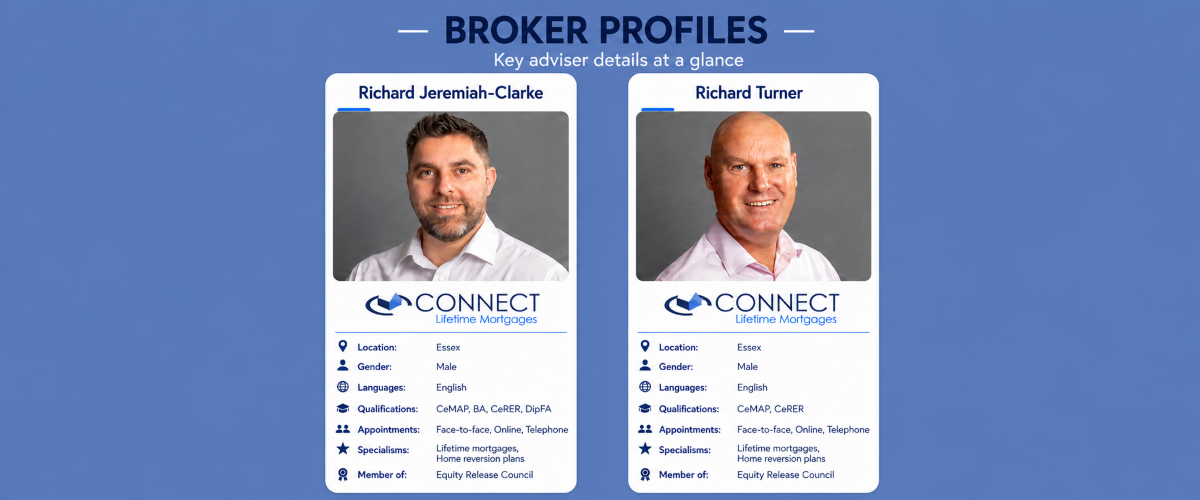
A Connect Lifetime Mortgages specialist can help you understand whether equity release is suitable for your situation.
The risks of equity release
Equity release can be useful in the right circumstances, but it is not suitable for everyone.
Before proceeding, you should understand that equity release may:
- Reduce the value of your estate
- Reduce the inheritance you leave behind
- Affect your entitlement to means-tested benefits
- Increase the amount owed if interest rolls up
- Limit future borrowing choices
- Involve early repayment charges
- Affect your ability to move home, depending on the plan and property
- Require independent legal advice before completion
Plans that meet Equity Release Council standards include consumer protections such as a no-negative-equity guarantee, subject to the product terms. You can read more about these protections on the Equity Release Council standards page.
The Risks of Downsizing
Downsizing can also carry risks and practical challenges.
You may need to consider:
- Whether suitable smaller homes are available
- Whether the new property will meet future health or care needs
- Estate agent, solicitor, survey and removal costs
- Possible stamp duty costs
- Emotional attachment to your current home
- Moving away from family, friends or familiar services
- The effect of released cash on means-tested benefits
- Whether the remaining money is enough for your long-term plans
Downsizing can be the right choice, but it should still be planned carefully.
Which Option Protects Inheritance Better?
Downsizing may better protect your inheritance if it allows you to avoid long-term borrowing and interest roll-up. However, this depends on the property sold, the home bought, the costs involved, and how the released funds are used.
Equity release can reduce inheritance because the loan and interest are normally repaid from the property’s sale later. Some plans may allow you to ringfence part of the property value as protected inheritance, but this can reduce the amount you can release.
If leaving money to family is important to you, tell your adviser early. The impact of the inheritance should be discussed before any recommendation is made.
Which Option is Better if You Want to Stay in Your Home?
If staying in your home is your main priority, equity release may be worth exploring.
This may matter if:
- You have strong emotional ties to the property
- You live near family or support networks
- Your home is already suitable for later life
- Moving would be stressful or disruptive
- You need money but do not want to sell
However, wanting to stay in your home does not automatically mean equity release is right. A qualified adviser should still compare alternatives and explain the long-term effect.
Which Option is Better if You Want to Avoid Debt?
If avoiding long-term secured borrowing is your main priority, downsizing may be a better option.
Selling and moving to a lower-value property may allow you to access money without taking a lifetime mortgage. This can help avoid interest roll-up and reduce long-term debt.
However, downsizing only works if the numbers make sense and you are comfortable moving.
Questions to Ask Before Choosing Equity Release or Downsizing
Before making a decision, ask:
- How much money do I actually need?
- Is this a one-off need or ongoing income need?
- Do I want to stay in my current home?
- Would I be happy moving to a smaller property?
- How much would downsizing really release after all costs?
- How would equity release affect my estate?
- Could my benefits be affected?
- Could my family be affected?
- Would I want to move again later?
- Have I considered alternatives?
- Have I spoken to a qualified adviser?
These questions help turn the decision from “which option sounds better?” into “which option fits my life, finances and future plans?”
Step-by-Step Equity Release Comparison Journey
Step 1: Decide why you need the money
Be specific. For example, repaying an interest-only mortgage is different from funding home improvements or helping family.
Step 2: Work out what downsizing could release
Estimate your likely sale price, purchase price, moving costs and remaining funds. This helps you compare downsizing with equity release more realistically.
Step 3: Check whether equity release may be possible
Your age, property value, property type, mortgage balance and lender criteria will affect whether equity release is available.
Step 4: Compare the long-term impact
Look at inheritance, benefits, estate value, future moving plans and whether interest may roll up.
Step 5: Speak with a qualified adviser
You can find an equity release mortgage broker who can explain whether equity release may be suitable and compare it with alternatives.
Step 6: Involve family if appropriate
Equity release can affect inheritance and future estate planning. Discussing it with family can help avoid confusion later.
Step 7: Only proceed if the recommendation is suitable
Do not proceed unless you understand the product, costs, risks, alternatives and long-term implications.
So, Should You Downsize or Choose Equity Release?
There is no single right answer.
Equity release may be suitable if you want to remain in your home and access some of its value without moving. Downsizing may be suitable if you are ready to move and want to release money without taking a lifetime mortgage.
The best decision depends on your home, age, income, family plans, health, future care needs, inheritance wishes and attitude to borrowing.
The important point is this: do not compare only the cash amount. Compare the long-term effect on your life.
Speak with an equity release adviser
If you are weighing up downsizing or equity release, it can help to speak with someone who understands later-life lending.
A qualified adviser can explain:
- Whether equity release may be suitable
- Whether downsizing may be a better alternative
- How a lifetime mortgage works
- How much you may be able to release
- How could interest build over time
- How your estate and inheritance may be affected
- Whether means-tested benefits could be affected
- What alternatives should you consider
FAQs: Downsize or equity release?
Is equity release better than downsizing?
Equity release is not automatically better than downsizing. It may help you stay in your home, but it can reduce your estate and affect inheritance. Downsizing may release money without taking a lifetime mortgage, but it means moving home.
Can I use equity release instead of downsizing?
Yes, some homeowners use equity release as an alternative to downsizing. This may allow them to stay in their home while accessing some of its value. Suitability depends on personal circumstances, property details and advice.
Will equity release reduce inheritance?
Yes, equity release can reduce the value of your estate and the inheritance you leave. The impact depends on the amount released, interest rate, plan length, property value and whether repayments are made.
Can downsizing affect benefits?
Yes, downsizing can affect means-tested benefits if the money released increases your savings or capital. This should be checked before selling or taking equity release.
Do I still own my home with equity release?
With a lifetime mortgage, you usually keep ownership of your home. The loan is secured against the property and is normally repaid when the property is sold after death or a move into long-term care.
Do I need advice before taking equity release?
Yes. Equity release is a major financial decision and should only be considered after receiving qualified advice. An adviser should explain suitability, alternatives, costs and risks.
What is the main advantage of downsizing?
The main advantage is that it may release money without taking long-term borrowing secured against your home. It may also reduce household costs if you move to a smaller or more manageable property.
What is the main advantage of equity release?
The main advantage is that it may allow you to access money from your home without moving. This can suit homeowners who want to stay in familiar surroundings.
What should I do first?
Start by working out how much money you need, whether you want to stay in your home, and whether downsizing is realistic. Then speak with a qualified adviser who can compare equity release with your alternatives.
Important information
Equity release is not suitable for everyone. It may reduce the value of your estate and may affect your entitlement to means-tested benefits.
A lifetime mortgage is a loan secured against your home. To understand the features and risks, ask for a personalised illustration.
Your home may be repossessed if you do not keep up repayments on your mortgage or loans secured on it.
There may be a fee for mortgage advice. Your adviser will confirm the amount before you choose to proceed.