
A financial product may last longer than the need that first created it.
Someone may release money while planning to remain at home. Years later, health, family or property needs may change.
That is why an Equity Release Adviser in Colchester should consider future housing plans before recommending a lifetime mortgage.
The question is not only whether you can stay in your current home.
It is whether the plan remains practical if you later decide to leave it.
At a Glance
Before taking equity release, consider:
- Whether the plan can move to another property.
- Which property types the provider accepts.
- Whether a partial repayment may be required.
- What downsizing protection applies.
- Whether early repayment charges could arise.
- How a move into sheltered housing may affect the plan.
- Whether downsizing now could meet the financial need.
- How much money might remain after moving costs.
A portable lifetime mortgage can still be subject to property and lending criteria.
Can You Move After Taking Equity Release?
Many lifetime mortgages are portable.
Portability means the provider may allow the mortgage to transfer to a new property.
However, the new property must normally meet its criteria.
The provider may consider:
- The new property’s value.
- Construction type.
- Remaining lease.
- Condition.
- Location.
- Resale prospects.
- Title restrictions.
- Whether the property is age-restricted.
- The percentage being borrowed.
Portability is therefore not an unconditional promise that every future home will be accepted.
Read our guide to moving home with equity release for further information.
Why Might a Partial Repayment Be Required?
Suppose someone moves from a higher-value home to a lower-value property.
The existing lifetime mortgage may represent a larger percentage of the new property’s value.
The provider may require part of the balance to be repaid so the mortgage returns to an acceptable loan-to-value level.
The calculation depends on:
- The existing mortgage balance.
- The value of the current home.
- The value of the new home.
- The provider’s criteria.
- The product terms.
Sale proceeds should not be committed until the provider confirms what will be required.
What Is Downsizing Protection?
Some lifetime mortgages include downsizing protection.
This may allow the mortgage to be repaid without an early repayment charge where the homeowner moves to a property the provider will not accept.
Conditions commonly apply.
These may include:
- A minimum period after completion.
- The move being genuine.
- The new property failing the provider’s criteria.
- Repayment taking place within a defined period.
The exact wording should be checked before the plan is selected.
A feature that may matter in ten years should still be understood today.
Which Future Homes Could Cause Difficulties?
Provider criteria vary, but additional checks may apply to:
- Retirement apartments.
- Sheltered accommodation.
- Properties with short leases.
- Park homes.
- Flats above commercial premises.
- Unusual construction.
- Properties with restrictive covenants.
- Homes with large areas of land.
- Properties in areas with flood or subsidence concerns.
Colchester contains modern developments, historic homes, city flats and properties in surrounding villages.
A provider suitable for the current property may not accept every possible future home.
Should You Downsize Before Taking Equity Release?
Downsizing may release money without creating a new lifetime mortgage.
The homeowner sells the current home and purchases a lower-cost property.
The remaining money may then support retirement needs.
Potential advantages include:
- No new secured borrowing.
- Reduced property maintenance.
- Lower heating or running costs.
- A more accessible home.
- Moving nearer family or services.
- More property value remaining outside a mortgage.
Possible disadvantages include:
- Estate agent fees.
- Legal and removal costs.
- Stamp duty where applicable.
- Emotional disruption.
- Leaving an established community.
- Service charges on the new property.
- Less living space.
- Difficulty finding a suitable home.
Our downsize or equity release guide compares the two routes.
Could Sheltered or Supported Housing Be Relevant?
Some people later choose sheltered, retirement or supported accommodation.
These homes may provide greater accessibility or access to support.
However, they may also have:
- Service charges.
- Age restrictions.
- Resale conditions.
- Leasehold terms.
- Management fees.
- Restrictions on occupation.
Colchester City Council provides information and signposting for older residents who want support to remain independent.
Before selecting a lifetime mortgage, discuss whether moving to specialist accommodation could become likely.
What Happens If You Repay the Mortgage Early?
Lifetime mortgages are intended as long-term products.
An early repayment charge may apply if the mortgage is repaid sooner than expected.
This could happen because you:
- Sell and do not transfer the mortgage.
- Move into a property the provider will not accept.
- Receive an inheritance.
- Decide to use savings.
- Want to switch providers.
- Move in with family.
Charges may be:
- Fixed.
- Reduced over a stated period.
- Linked to market conditions.
- Calculated using a published formula.
The advice should explain the maximum possible charge and any exemptions.
Could a Conventional Mortgage Provide More Flexibility?
A standard remortgage may be another option where income supports monthly payments.
It might allow someone to:
- Borrow over a defined term.
- Release a smaller amount.
- Repay capital over time.
- Clear the mortgage before moving.
- Avoid rolled-up lifetime interest.
However, affordability, age and credit criteria apply.
Connect Mortgages explains the process in its UK remortgage guide.
A lower initial rate does not automatically make a conventional mortgage suitable. Monthly commitments must remain affordable.
What Should Be Checked Before Proceeding?
Ask the adviser:
- Is the lifetime mortgage portable?
- Which properties will the provider reject?
- Could a partial repayment be required?
- Does the plan include downsizing protection?
- When does that protection begin?
- What early repayment charges apply?
- Could I move to a retirement property?
- What happens if I move in with family?
- Would downsizing now meet the same need?
- What costs might a future move create?
The answers should be recorded within the recommendation and supporting documents.
Speak to an Equity Release Adviser in Colchester
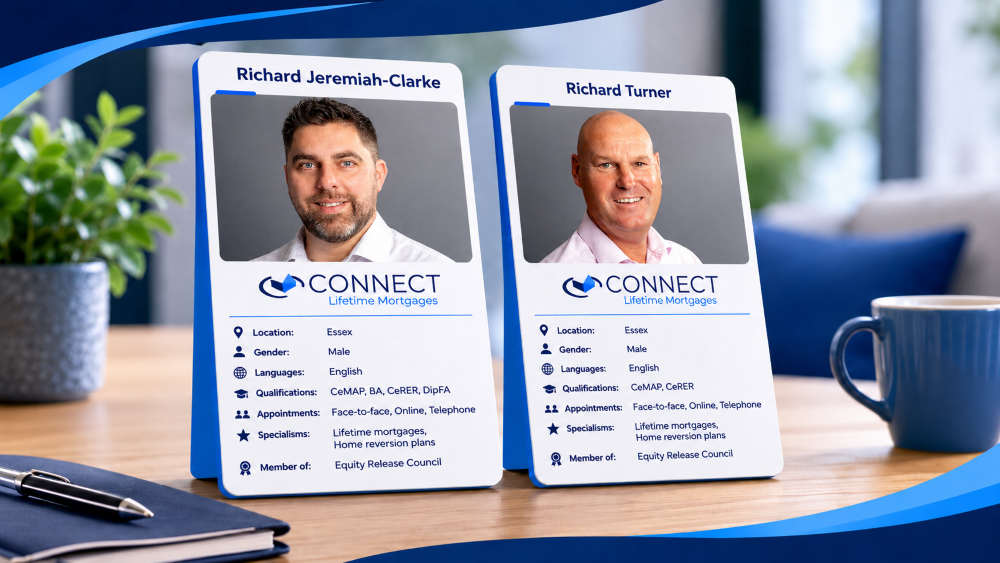
Connect Lifetime Mortgages can help Colchester homeowners consider equity release, future moves and downsizing.
A suitable plan should address the present need without ignoring possible changes later.
This article supports our main Equity Release Advisers in Essex page.
Contact Connect Lifetime Mortgages to arrange an initial conversation.
Equity release is a long-term commitment. It can reduce your estate and may affect means-tested benefits.