

First-Time Buyer Mortgage Guide UK: Buying your first home is not just about finding a property.
It is about proving that the mortgage, the deposit, the property and the future monthly payments all fit together.
A first-time buyer mortgage is usually a residential mortgage for someone buying their first home. Lenders will look at your income, deposit, credit history, outgoings, debts, property type and loan-to-value before deciding whether to lend.
Connect Lifetime helps first-time buyers understand these steps clearly before they apply. That matters because a mortgage application is not only a form. It is evidence of financial readiness.
At a Glance
A first-time buyer can often apply for a mortgage with a deposit from 5%, subject to lender criteria.
Lenders assess income, spending, debts, credit history and the property.
A mortgage in principle can help before making an offer.
Your deposit source must be clear, especially if family are helping.
First-time buyer Stamp Duty relief may apply in England and Northern Ireland.
Extra costs can include legal fees, surveys, valuation fees, moving costs and insurance.
A mortgage adviser can help compare lender criteria and prepare the application.
Your home may be repossessed if you do not keep up repayments on your mortgage.
What is a first-time buyer mortgage?
A first-time buyer mortgage is a mortgage used to buy your first home.
It is usually a residential mortgage. This means the property will be your main home, not a rental property or business premises.
Most first-time buyers repay the mortgage monthly over an agreed term. The mortgage is secured against the property. If payments are not maintained, the lender can take action.
This is why the decision needs care. The right mortgage is not only the one with a competitive rate. It must also fit your income, deposit, property plans and future affordability.
For tailored support, read more about first-time buyer mortgage advice from Connect Lifetime.
How much deposit does a first-time buyer need?
Many first-time buyers start with a deposit of at least 5%.
For example, if a property costs £250,000, a 5% deposit would be £12,500. The mortgage would cover the remaining £237,500, subject to lender approval.
This would usually be called a 95% loan-to-value mortgage.
A larger deposit may help reduce lender risk. It may also give access to more mortgage products. However, the right deposit size depends on savings, affordability and the property being bought.
Common examples:
| Property price | 5% deposit | 10% deposit | 15% deposit |
|---|---|---|---|
| £200,000 | £10,000 | £20,000 | £30,000 |
| £250,000 | £12,500 | £25,000 | £37,500 |
| £300,000 | £15,000 | £30,000 | £45,000 |
| £400,000 | £20,000 | £40,000 | £60,000 |
A deposit is only one part of the cost. First-time buyers also need to budget for legal work, valuation, survey costs, moving costs and possible Stamp Duty.
How lenders assess first-time buyers
Lenders do not only ask how much you earn.
They also check how stable and sustainable your finances look.
They may assess:
- Income.
- Employment type.
- Length of time in your job.
- Self-employed income history.
- Overtime, bonuses or commission.
- Bank statements.
- Credit commitments.
- Student loans.
- Childcare costs.
- Dependants.
- Credit history.
- Deposit source.
- Property type.
- Loan-to-value.
- Mortgage term.
Two buyers with similar income may receive different outcomes from different lenders. This is because lenders use their own affordability models and risk rules.
You can get an initial estimate with the mortgage affordability calculator.
Mortgage in Principle: Why it helps
A mortgage in principle gives an early indication of what a lender may be willing to consider.
It is not a formal mortgage offer. It does not guarantee approval. However, it can help you understand your price range before viewing properties or making an offer.
Estate agents may also ask whether you have one. It can show that you have started the financial checks.
Before requesting a mortgage in principle, check your credit file, deposit evidence and income documents. A cleaner application can reduce delays later.
Credit Checks and First-Time Buyers
Your credit file helps lenders understand how you manage borrowing.
A missed payment does not always stop a mortgage application. However, it can affect lender choice, rate options and the evidence needed.
Before applying, check:
- Your name and address history.
- Electoral roll registration.
- Credit card balances.
- Loan payments.
- Missed or late payments.
- Defaults or county court judgments.
- Financial links to other people.
- Unused credit accounts.
Do not guess what your credit file says. Review it early and speak to an adviser before making major changes.
For more preparation steps, read Connect Lifetime’s credit file guidance.
First-time buyer mortgage if you are self-employed
Self-employed first-time buyers can get mortgages.
However, the evidence can be different from employed applicants. Lenders may ask for accounts, tax calculations, tax year overviews, business bank statements or company accounts.
They may also look at income stability. A sole trader, contractor, limited company director or freelancer may all be assessed differently.
This is where advice can help. One lender may use the latest year’s income. Another may average income over two years. Some may take a more detailed view of retained profit, dividends or contract income.
Read more about self-employed mortgage advice if your income is not straightforward.
Gifted deposits and family support
Many first-time buyers receive help from family.
A gifted deposit can be accepted by many lenders, but it must be declared. The lender usually needs to know whether the money is a gift or a loan.
This matters because a repayable loan can affect affordability.
A lender may ask for:
- A gifted deposit letter.
- Proof of funds.
- Bank statements.
- Identification from the donor.
- Confirmation that the donor will not own part of the property.
Family support can be helpful, but it must be documented properly.
Lifetime ISA and first-time buyers
A Lifetime ISA can be used to buy a first home or save for later life. GOV.UK says you can put in up to £4,000 each year, with a 25% government bonus up to £1,000 per year.
For a first home purchase, GOV.UK guidance says the property price must be £450,000 or less, the buyer must intend to live in the property as their main residence, and at least 12 months must have passed since the first Lifetime ISA payment.
This means timing matters. First-time buyers should speak to their conveyancer and adviser before withdrawing Lifetime ISA funds.
Read the official GOV.UK Lifetime ISA guidance before relying on the account for your deposit.
Stamp Duty for first-time buyers
Stamp Duty Land Tax applies in England and Northern Ireland when buying property or land over certain thresholds.
For first-time buyers, GOV.UK states that SDLT starts to apply at £300,000 when buying a residential property worth £500,000 or less.
The rules are different in Scotland and Wales. Scotland uses Land and Buildings Transaction Tax. Wales uses Land Transaction Tax.
You can review the official GOV.UK Stamp Duty Land Tax guidance or estimate your position with Connect Lifetime’s Stamp Duty calculator.
Other first-time buyer costs to plan for
The mortgage is only one cost.
You may also need to budget for:
- Conveyancing fees.
- Search fees.
- Survey costs.
- Valuation fees.
- Mortgage product fees.
- Broker fees, where applicable.
- Removal costs.
- Buildings insurance.
- Contents insurance.
- Initial repairs.
- Furniture and appliances.
- Service charges, if leasehold.
This is where many first-time buyers underestimate the process. A home purchase can fail if the deposit is saved but the wider budget is too tight.
A good mortgage plan should include both upfront costs and future monthly costs.
Fixed, tracker and variable mortgage rates
First-time buyers may be offered different types of mortgage rates.
A fixed rate keeps the interest rate the same for an agreed period. This can help with budgeting because monthly payments are predictable.
A tracker rate usually follows a reference rate, such as the Bank of England base rate. Payments can rise or fall.
A variable rate can change according to the lender’s terms.
The right choice depends on your budget, risk tolerance and plans for the property. A lower starting rate is not always the safest option if payments could rise beyond your comfort level.
Protection and insurance conversations
Buying a first home creates a long-term financial commitment.
This is why protection should be discussed alongside mortgage advice. The aim is not to add unnecessary products. The aim is to consider what would happen if illness, injury, death or loss of income affected the household.
First-time buyers may need to discuss:
- Life insurance.
- Critical illness cover.
- Income protection.
- Buildings insurance.
- Contents insurance.
- Family protection needs.
Buildings insurance is usually required by the lender from exchange of contracts. Other protection products depend on personal needs and affordability.
Where Connect Lifetime fits into the first-time buyer journey
Connect Lifetime supports borrowers across residential mortgages, affordability planning, credit preparation, self-employed cases and wider mortgage guidance.
For first-time buyers, this means advice can focus on the full journey, not only the interest rate.
An adviser can help you:
- Understand how much you may be able to borrow.
- Check whether your deposit is acceptable.
- Compare lender criteria.
- Review your credit position.
- Prepare documents before application.
- Understand mortgage product choices.
- Plan for fees and monthly payments.
- Discuss protection and insurance needs.
- Avoid applying to unsuitable lenders.
Connect Lifetime also provides wider mortgage guidance through its mortgage tools.
For broader first-time buyer reading across the Connect Group, see the first-time buyer mortgage guide from Connect Mortgages.
First-time buyer checklist
Before you apply, check the following:
- You know your deposit amount.
- You understand your likely price range.
- Your credit file is accurate.
- Your bank statements are ready.
- Your income evidence is complete.
- Your deposit source is clear.
- You have budgeted for fees.
- You understand Stamp Duty.
- You have considered insurance needs.
- You know whether the property type may affect lending.
- You have spoken to an adviser before making a full application.
Common first-time buyer mistakes
First-time buyers often focus on the property before the mortgage.
That can create problems. A property may look affordable online but fail lender affordability checks.
Common mistakes include:
- Viewing homes before checking affordability.
- Ignoring credit file issues.
- Forgetting legal and survey costs.
- Using borrowed deposit funds without disclosure.
- Applying to the wrong lender.
- Changing jobs during the process.
- Taking new credit before completion.
- Underestimating monthly bills after moving in.
- Forgetting protection and insurance needs.
The better approach is simple. Prepare first. View second. Apply when the evidence is ready.
Speak to Connect Lifetime about buying your first home
Your first mortgage sets the foundation for homeownership.
It should be approached with care, evidence and clear advice. The aim is not only to get a mortgage offer. It is to choose a mortgage route that fits your income, deposit, property and future plans.
Connect Lifetime can help you understand your options, prepare your documents and speak to lenders with a clearer view of your circumstances.
Call Connect Lifetime on 01708 982955 or speak to a mortgage adviser today.
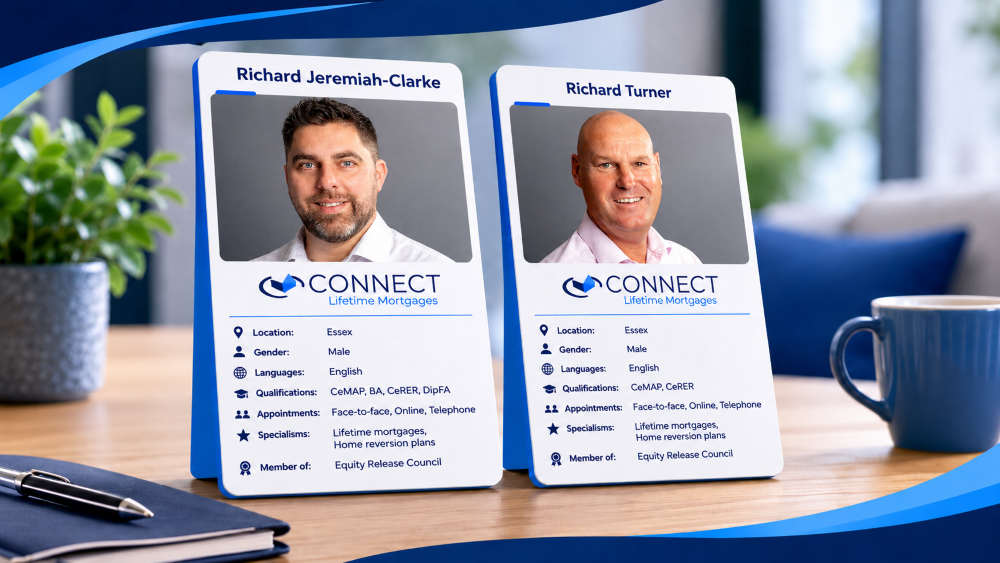
Your home may be repossessed if you do not keep up repayments on your mortgage. There may be an administration fee and a fee for mortgage advice. The precise amount will depend upon your circumstances. Your consultant will confirm the amount before you choose to proceed.
FAQs
Can first-time buyers get a mortgage with a 5% deposit?
Some first-time buyers may be able to get a mortgage with a 5% deposit. This is usually a 95% loan-to-value mortgage. Approval depends on lender criteria, affordability, credit history and the property.
How much can I borrow as a first-time buyer?
The amount depends on income, outgoings, credit commitments, deposit size, mortgage term and lender criteria. Different lenders may offer different borrowing levels.
Do first-time buyers pay Stamp Duty?
Some first-time buyers pay no SDLT, while others may pay some. In England and Northern Ireland, GOV.UK states that first-time buyer SDLT starts at £300,000 when buying a residential property worth £500,000 or less.
Can I use a Lifetime ISA to buy my first home?
A Lifetime ISA can be used for a first home if the rules are met. GOV.UK says the property must cost £450,000 or less, be your main residence and meet the withdrawal conditions.
Can I get a first-time buyer mortgage if I am self-employed?
Yes, self-employed applicants can get mortgages. Lenders may ask for accounts, tax documents, bank statements and proof of income stability.
Should I get a mortgage in principle before viewing homes?
It can help. A mortgage in principle gives an early indication of borrowing potential, although it is not a guaranteed mortgage offer.
What documents do first-time buyers need?
You may need payslips, bank statements, ID, proof of address, deposit evidence, tax documents if self-employed and details of credit commitments.
Why use a mortgage adviser as a first-time buyer?
An adviser can help compare lender criteria, prepare the application, explain costs and reduce the risk of applying to an unsuitable lender.