

Equity Release Adviser in Writtle: Choosing an equity release adviser is not simply a search for someone nearby.
It is a search for qualified advice about a decision that may affect your home, estate and future choices.
A specialist equity release adviser in Writtle can help you examine whether releasing property wealth is suitable. The assessment should consider your reasons, finances, family circumstances and longer-term plans.
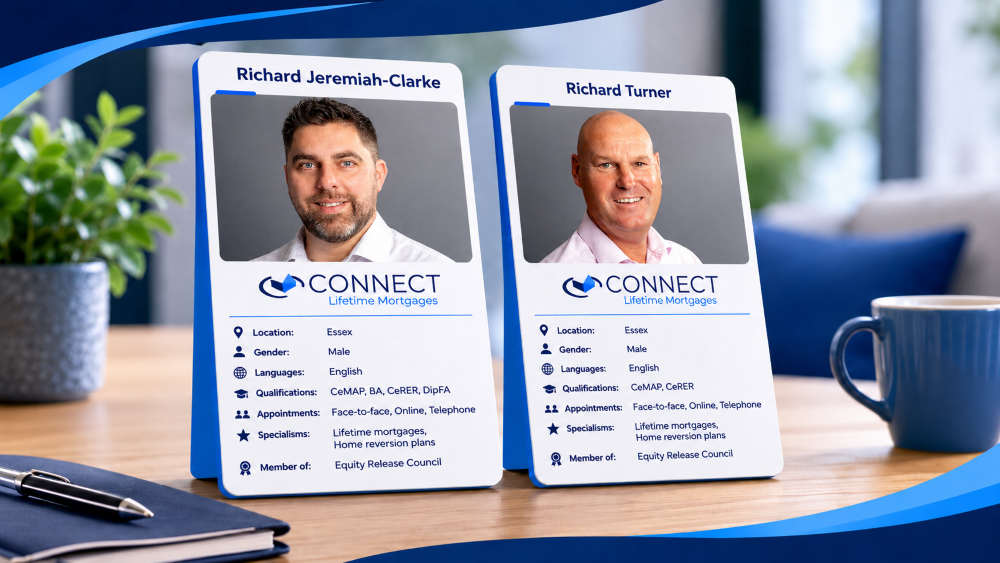
Connect Lifetime provides equity release and later-life mortgage advice for eligible homeowners in Writtle, Chelmsford and surrounding areas of Essex.
At a Glance
- Equity release is usually available to eligible homeowners aged 55 or over.
- A lifetime mortgage is secured against your home.
- Interest may be paid, partly repaid or added to the loan.
- The amount owed can increase through compound interest.
- Releasing equity usually reduces the value of your estate.
- It may affect means-tested benefits and future financial choices.
- Regulated advice is required before an equity release plan can proceed.
- An adviser should compare equity release with suitable alternatives.
What Does an Equity Release Adviser in Writtle Do?
An equity release adviser examines more than your age and property value.
They should establish why you need the money and whether the proposed amount is proportionate. They must also consider how the decision could affect you later.
The advice process may include:
- Reviewing your income, savings, debts and regular expenditure.
- Establishing the purpose of the proposed release.
- Checking your property type, condition and estimated value.
- Considering your health and expected future needs.
- Discussing inheritance and estate-planning concerns.
- Checking whether released funds could affect benefits.
- Comparing lump-sum and drawdown arrangements.
- Examining suitable alternatives before recommending a product.
- Explaining interest, charges and possible early repayment costs.
- Recording why any recommendation is suitable.
You can read more about how equity release works before arranging an appointment.
Equity Release Options for Writtle Homeowners
There are two principal forms of equity release: lifetime mortgages and home reversion plans.
However, lifetime mortgages account for most modern equity release arrangements.
Lifetime mortgages
A lifetime mortgage is a loan secured against your main residence.
You retain ownership of the property. The loan is usually repaid when the last borrower dies or moves permanently into long-term care.
Depending on the product, you may be able to:
- Release one initial lump sum.
- Hold an approved reserve for later withdrawals.
- Make voluntary interest payments.
- Make partial capital repayments.
- Protect part of the property’s future value for inheritance.
Product features and limits vary. They should therefore be assessed against your individual needs.
Home reversion plans
A home reversion plan involves selling part or all of your property to a provider.
You normally retain the right to live in the home under the plan’s conditions. However, the amount received is generally below the market value of the share sold.
Home reversion plans are less common and work differently from lifetime mortgages. Independent legal advice forms an important part of the process.
How Much Could You Release?
The amount available usually depends on:
- The age of the youngest applicant.
- The property’s value.
- The lender’s property criteria.
- The condition and construction of the home.
- Whether an existing mortgage must be repaid.
- The selected product and interest rate.
- Any health or lifestyle information accepted by the lender.
A larger available amount does not mean that borrowing the maximum is suitable.
Every pound released has a future cost. Interest may accumulate over many years, particularly when no repayments are made.
A drawdown facility may sometimes reduce the initial interest cost because interest is charged only when funds are taken.
What Should the Adviser Consider?
Good advice starts with the purpose, not the product.
A Writtle homeowner may be considering equity release to:
- Repay an existing mortgage.
- Fund essential repairs or home adaptations.
- Supplement retirement finances.
- Support a family member.
- Create an emergency reserve.
- Pay for later-life care at home.
- Move to a more suitable property.
The adviser should examine the required amount and timing for each objective.
For example, borrowing a full renovation budget immediately may be unnecessary when contractors will be paid in stages. A drawdown arrangement could sometimes be considered instead.
The Equity Release Council’s standards cover important protections and conduct expectations for member firms and approved products.
Alternatives to Equity Release
Equity release should not be treated as the automatic answer to a later-life funding need.
Depending on your circumstances, an adviser may discuss:
- Downsizing to a less expensive property.
- A standard residential remortgage.
- A retirement interest-only mortgage.
- Another form of later-life lending.
- Using existing savings.
- Family support.
- Local authority assistance for eligible home adaptations.
- Reviewing unclaimed state benefits.
- Delaying or reducing the planned expenditure.
- Selling another asset.
Some alternatives involve monthly payments. Others may affect your plans in different ways.
The correct comparison is not simply which option releases money. It is which option creates an acceptable balance between present needs and future security.
Can You Receive Advice Without Travelling?
Yes. Advice may be provided by telephone or video meeting where appropriate.
Remote advice can be useful for Writtle homeowners who:
- Have limited mobility.
- Prefer family members to attend.
- Live with a health condition.
- Need appointments around caring responsibilities.
- Want to share documents electronically.
The quality and regulatory standard of the advice should not depend on whether the meeting takes place in person or remotely.
What Documents May Be Required?
Your adviser may ask for:
- Identification and address evidence.
- Mortgage statements.
- Bank statements.
- Pension and income evidence.
- Details of savings and investments.
- Benefit information.
- Property details.
- Information about other debts.
- An outline of the money’s intended use.
- Relevant power of attorney documentation.
Accurate information helps the adviser assess affordability, vulnerability, alternatives and suitability.
How Connect’s Advice Structure Fits Together
Connect Lifetime Mortgages is part of the wider Connect structure.
Connect for Intermediaries provides network support, compliance oversight and adviser resources. Its professional equity release guide for mortgage advisers explains why later-life advice must consider suitability, family, inheritance and future options.
Consumer advice is provided through the appropriately authorised advice firm and adviser.
Questions to Ask an Equity Release Adviser
Before proceeding, consider asking:
- What qualifications and permissions do you hold?
- Which equity release products can you advise on?
- What alternatives will you assess?
- How will interest affect the balance over time?
- Can I make voluntary repayments?
- Could I transfer the plan if I move?
- What happens if I need long-term care?
- How could the plan affect my estate?
- Could released funds affect my benefits?
- What advice and legal fees will apply?
- Are early repayment charges possible?
- How will my family be involved, where appropriate?
Clear questions lead to clearer decisions.
Speak to an Equity Release Adviser in Writtle
Property wealth can support later-life plans, but it should not be viewed as money without consequences.
A suitable recommendation must connect today’s need with tomorrow’s position.
Connect Lifetime can help eligible homeowners in Writtle review equity release, lifetime mortgages and other later-life borrowing options.
Contact Connect Lifetime to arrange an initial conversation.
Frequently Asked Questions
Do I need an equity release adviser in Writtle?
You must receive regulated equity release advice before taking a plan. Your adviser does not always need to be physically based in Writtle.
The important factors are their qualifications, permissions, service scope and ability to provide suitable advice.
What age must I be for equity release?
Lifetime mortgages are generally available from age 55. However, minimum ages differ between providers and products.
For joint applications, eligibility is normally based on the youngest applicant.
Will I still own my home?
You normally retain ownership when taking a lifetime mortgage.
A home reversion plan is different because you sell part or all of the property to the provider.
Do I need to make monthly payments?
Many lifetime mortgages do not require monthly payments.
However, interest is added to the loan when it is not paid. Some products permit voluntary interest or capital repayments.
Can equity release affect my inheritance?
Yes. The loan, accumulated interest and charges are usually repaid from the property’s sale proceeds.
This normally leaves less value for your estate.
Could equity release affect my benefits?
Yes. Money held as savings or capital may affect entitlement to means-tested benefits.
A benefit assessment should be completed before proceeding.
Can I move home after taking equity release?
Many lifetime mortgages may be transferred to another acceptable property.
The lender must approve the new property. A partial repayment may be required where the new home has a lower value.
Is equity release the same as a retirement interest-only mortgage?
No. A retirement interest-only mortgage normally requires monthly interest payments.
A lifetime mortgage may allow interest to accumulate instead. Eligibility, affordability and repayment arrangements also differ.
Equity release will reduce the value of your estate and may affect your entitlement to means-tested benefits.
A lifetime mortgage is a loan secured against your home. Compound interest can increase the amount owed.