

RIO Mortgage vs Lifetime Mortgage: What Is the Difference? A retirement interest-only mortgage and a lifetime mortgage can both sit within later life lending. They can both help older homeowners review borrowing against their property. Yet they work in very different ways.
The main difference is simple.
A retirement interest-only mortgage usually requires monthly interest payments. A lifetime mortgage may allow the interest to roll up, which means the loan can grow over time if no payments are made.
That difference affects affordability, inheritance, long-term cost and the way the loan is repaid.
At a Glance
A RIO mortgage may suit someone with reliable retirement income who wants to pay interest each month.
A lifetime mortgage may suit someone who wants to access money from their home without committing to regular monthly repayments.
Both options need advice. Both can affect your home, estate and future plans.
What is a RIO mortgage?
A retirement interest-only mortgage is often called a RIO mortgage.
With a RIO mortgage, you usually pay the interest each month. The original loan amount is normally repaid later, often when the property is sold. This may happen after death, a move into long-term care, or another event agreed with the lender.
The key point is affordability. A lender usually needs to see that you can afford the monthly interest payments from pension income, earned income, investment income or another acceptable source.
This makes a RIO mortgage different from some other later life products. It is still based on your ability to keep up with payments.
What is a Lifetime Mortgage?
A lifetime mortgage is a loan secured against your home. It is usually available to homeowners aged 55 or over.
You keep ownership of your home. The loan is usually repaid when the last borrower dies, moves permanently into long-term care, or the property is sold.
Some lifetime mortgages allow the interest to roll up. This means you do not have to make monthly payments, but the loan balance can increase over time.
Some plans may allow voluntary repayments or interest payments. This can help manage the future loan balance, depending on the product.
A lifetime mortgage is a form of equity release.
RIO Mortgage vs Lifetime Mortgage: The Main Differences
A RIO mortgage and a lifetime mortgage may look similar because both are linked to property value and later-life borrowing. The practical difference is how the interest is handled.
With a RIO mortgage, interest is usually paid each month. This can help keep the mortgage balance stable.
With a lifetime mortgage, interest may roll up if no payments are made. This can increase the amount owed over time.
A RIO mortgage is usually more income-led. A lifetime mortgage is usually more property-value-led, although lenders and providers still apply product rules and suitability checks.
The right choice depends on your income, age, property, future plans and attitude to long-term debt.
When Might a RIO Mortgage Be Considered?
A RIO mortgage may be considered if you have enough income to support monthly interest payments.
It may be relevant if you:
- Have an interest-only mortgage coming to an end
- Want to keep monthly payments lower than a repayment mortgage
- Have pension income that supports affordability
- Want to avoid interest rolling up
- Prefer a mortgage where the balance may remain stable
- Want to keep more control over the future debt
A RIO mortgage still needs careful planning. If you do not keep up payments, your home may be at risk.
When Might a Lifetime Mortgage be Considered?
A lifetime mortgage may be considered if you want to access money tied up in your home but do not want, or cannot support, full monthly mortgage payments.
It may be relevant if you:
- Are aged 55 or over
- Own your home
- Want to raise a lump sum or drawdown facility
- Need to repay an existing mortgage
- Want to support family
- Need funds for home improvements
- Want to remain in your home
- Understand the effect on your estate
A lifetime mortgage can reduce the value of your estate. It may also affect entitlement to means-tested benefits.
What About Equity Release Safeguards?
Lifetime mortgages that meet Equity Release Council standards include product safeguards. These may include the no-negative-equity guarantee, subject to the plan meeting the required standards.
This means that when the property is sold and the plan conditions have been met, you or your estate should not owe more than the property’s value.
You can read more about the Equity Release Council standards.
Why is the FCA Reviewing Later-Life Mortgages?
The Financial Conduct Authority is conducting a market study into lifetime and retirement interest-only mortgages.
This matters because later-life lending must adapt to changing consumer needs. Older borrowers may need different options depending on income, property wealth, family plans, care needs and retirement goals.
You can read the FCA Later Life Mortgages Market Study for the current regulatory context.
How to Compare the Two Options
A fair comparison should not begin with the question, “How much can I borrow?”
A better question is, “How will this borrowing work over time?”
Before choosing between a RIO mortgage and a lifetime mortgage, consider:
- Can you afford monthly payments?
- Do you want the loan balance to stay stable?
- Are you comfortable with interest rolling up?
- How long might the loan run?
- Could you move home later?
- Could one borrower remain in the home if the other dies or moves into care?
- How could the loan affect inheritance?
- Could released funds affect means-tested benefits?
- Are there early repayment charges?
- Are there alternatives?
You can use a mortgage calculator to estimate payments before speaking to an adviser.
What are the Alternatives?
A RIO mortgage or lifetime mortgage may not be the only answer.
Other options may include:
- A standard residential mortgage
- A remortgage
- Downsizing
- Using savings
- Speaking to your current lender
- Family support
- Pension guidance
- Financial advice
- Local authority support, where relevant
If you are still comparing broader options, read our guide to later-life lending.
For a wider consumer guide from Connect Mortgages, you can also read about equity release mortgages.
Which Option is Better?
There is no single better option.
A RIO mortgage may be more suitable for someone with reliable retirement income who wants to pay interest each month.
A lifetime mortgage may be more suitable for someone who wants to release money from their home without committing to regular repayments.
The right answer depends on the details. It should reflect your income, property, age, health, family position, estate plans and long-term needs.
Later life borrowing is not only a financial calculation. It is a decision about security, flexibility and what you want your home to do for you in later life.
Speak to an adviser
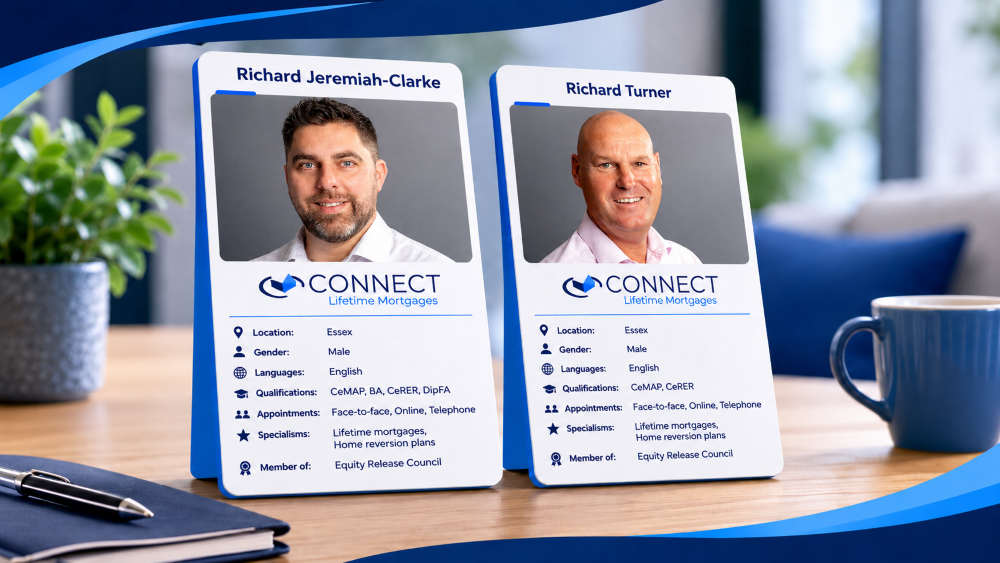
Connect Lifetime Mortgages can help you compare RIO mortgages, lifetime mortgages and other later life lending options.
An adviser can explain how each route works, what the risks are and what alternatives may be worth reviewing first.
FAQs
Is a RIO mortgage the same as a lifetime mortgage?
No. A RIO mortgage usually requires monthly interest payments. A lifetime mortgage may allow the interest to roll up, which can increase the loan balance over time.
Do I need income for a RIO mortgage?
Yes, in most cases. A lender usually needs to check that you can afford the monthly interest payments.
Do I need income for a lifetime mortgage?
A lifetime mortgage may not require the same monthly affordability checks as a RIO mortgage, but product rules, advice checks and property criteria still apply.
Can I make payments on a lifetime mortgage?
Some lifetime mortgages allow voluntary repayments or interest payments. This depends on the product.
Which option protects inheritance better?
It depends on the loan size, interest rate, repayment choices and how long the product runs. A RIO mortgage may keep the balance more stable if interest is paid each month. A lifetime mortgage may reduce inheritance if interest rolls up.
Can I move home with a RIO mortgage or lifetime mortgage?
It may be possible, but it depends on lender or provider rules, the new property and product terms. This should be checked before applying.
Important information
A lifetime mortgage is a loan secured against your home. To understand the features and risks, ask for a personalised illustration.
Equity release will reduce the value of your estate and may affect your entitlement to means-tested benefits.
Your home may be repossessed if you do not keep up repayments on your mortgage or other loan secured against it.
Connect Lifetime Mortgages is a trading style of Richer Mortgage and Retirement Ltd, which is an appointed representative of Connect IFA Ltd, authorised and regulated by the Financial Conduct Authority.