

Shared Ownership for First-Time Buyers Guide: Shared ownership can help some first-time buyers purchase a share of a home rather than buying the full property at the start.
It can reduce the required deposit because it is usually based on the share being purchased, not the full property value. However, shared ownership is not only a smaller deposit route. It is a different form of ownership with rent, lease terms, service charges and future rules to understand.
This guide explains how shared ownership works and what first-time buyers should check before applying.
Shared Ownership: Quick Answer
Shared ownership lets eligible buyers purchase a share of a property and pay rent on the remaining share. Buyers may be able to buy more shares later through a process known as staircasing.
It can help some first-time buyers, but it is not suitable for everyone. The mortgage, rent, service charge and future costs must all be affordable.
You can read the official rules on GOV.UK Shared Ownership.
What Is Shared Ownership?
Shared ownership is an affordable home ownership scheme. You buy part of a property and pay rent to the landlord on the share you do not own.
The landlord is usually a housing association, local authority or another registered provider.
For example, if you buy a 25% share of a £300,000 home, that share is worth £75,000. You would usually need a mortgage and deposit based on that share.
You then pay rent on the remaining 75%, along with any service charge and other costs.
Why First-Time Buyers Consider Shared Ownership
Shared ownership may appeal to buyers who cannot afford to buy a full property on the open market.
It may help because:
- The deposit can be lower
- The mortgage amount may be smaller
- It may offer access to newer homes
- It can provide a route into ownership
- It may be available in areas where full ownership is harder
However, lower upfront costs do not always mean lower total monthly costs. Rent and service charges must be included.
How the Deposit Works
The deposit is usually based on the share being purchased.
Example:
- Full property value: £300,000
- Share purchased: 25%
- Value of share: £75,000
- 5% deposit on share: £3,750
This can make the first step feel more achievable.
However, the lender will still assess affordability. The housing provider will also assess whether the shared ownership route is suitable.
A smaller deposit does not remove the need for careful checks.
For wider deposit guidance, read our First-Time Buyer Mortgage page.
Mortgage, Rent and Service Charge
Shared ownership affordability is different from a standard purchase.
A buyer may need to pay:
- Mortgage payment on the share owned
- Rent on the share not owned
- Service charge
- Ground rent, where applicable
- Buildings insurance contribution
- Repairs and maintenance costs
- Utility bills and council tax
The total monthly cost matters more than the mortgage payment alone.
A home can look affordable when only the mortgage is considered. It may feel different once rent and service charge are added.
Use our Mortgage Calculator as an early guide for mortgage payments.
What Is Staircasing?
Staircasing means buying more shares in the property after the initial purchase.
For example, a buyer who starts with 25% ownership may later buy another 10%, 25% or more, depending on the lease and scheme rules.
The cost of extra shares is usually based on the property value at the time of staircasing, not the original purchase price.
If the property value rises, future shares may cost more. If the value falls, they may cost less.
Staircasing may involve valuation fees, legal fees and mortgage changes. It should be planned carefully.
Shared Ownership and Stamp Duty
Stamp Duty can be more complex with shared ownership than with a standard purchase.
Some buyers pay Stamp Duty on the full market value at the start. Others may pay in stages, depending on the transaction and advice received.
First-time buyer relief may apply in some cases, depending on eligibility and current rules.
You can check current guidance on GOV.UK Stamp Duty Land Tax residential property rates.
A solicitor should explain the Stamp Duty position before exchange.
What Lenders Check
Shared ownership lenders may review the same core points as standard residential lenders, but with extra attention to scheme details.
They may check:
- Income
- Outgoings
- Credit history
- Deposit
- Share being purchased
- Rent on the unsold share
- Service charge
- Lease length
- Housing provider details
- Property type
- Affordability after all costs
Not every lender offers shared ownership mortgages. Criteria can vary.
Mortgage advice can help match the buyer, property and scheme to suitable lenders.
Shared Ownership Risks to Understand
Shared ownership can be helpful, but it should be understood clearly.
Important risks include:
- Rent may increase over time
- Service charges may rise
- Repairs may still be your responsibility
- Resale rules may apply
- Not all lenders support shared ownership
- Staircasing costs can change
- Lease terms can affect future saleability
A first home should give stability. It should not create costs that are hard to manage.
Shared Ownership vs Standard First-Time Buyer Mortgage
A standard first-time buyer mortgage is used when you buy the full property.
Shared ownership is different because you buy only a share and pay rent on the rest.
A standard mortgage may suit buyers who can afford the deposit, loan amount and monthly payment for the full property.
Shared ownership may suit buyers who need a lower starting share but can afford the combined mortgage, rent and service charge.
Neither route is automatically better. The right route depends on the buyer, the property, and the long-term plan.
When Advice Can Help
Mortgage advice can be useful before applying for shared ownership.
This is especially true if:
- You have a small deposit
- You are buying a new-build property
- You are self-employed
- You have variable income
- You have credit issues
- You want to staircase later
- You are unsure about monthly costs
- You need to compare standard purchase and shared ownership
If you are self-employed, read our Self-Employed Mortgage guide.
Speak to a Shared Ownership Mortgage Adviser
Shared ownership can open a door, but the door still needs measuring. The mortgage, rent, lease and future costs all matter.
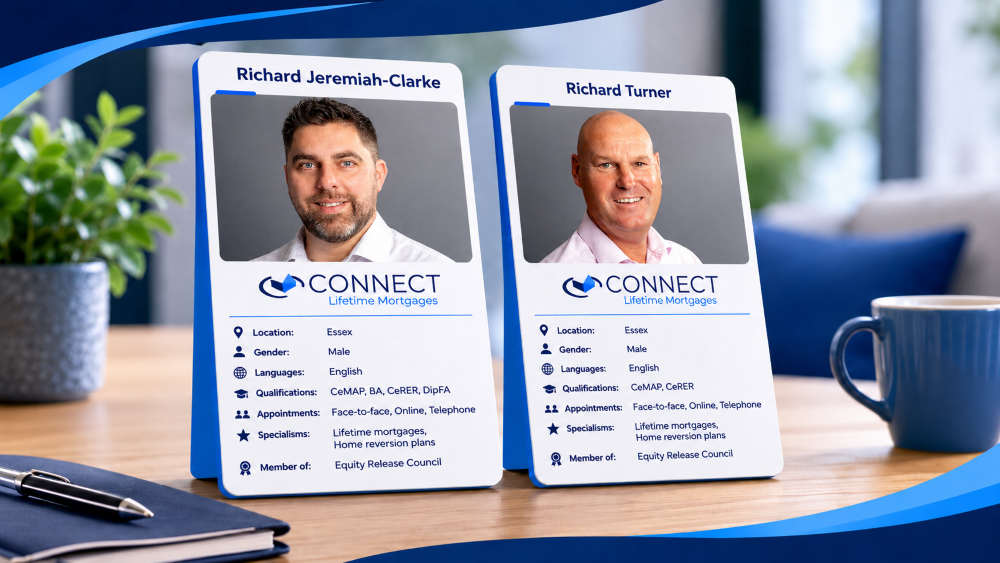
Connect Lifetime can help first-time buyers understand shared ownership mortgage options before applying.
FAQs: Shared Ownership for First-Time Buyers
Is shared ownership only for first-time buyers?
No. It may also be available to some people who used to own a home but cannot afford to buy one now. Eligibility depends on the scheme rules.
Do I need a deposit for shared ownership?
Yes. The deposit is usually based on the share you buy, not the full property value.
Can I buy more shares later?
Yes, this is called staircasing. The cost is usually based on the property value at the time you buy more shares.
Is shared ownership cheaper than buying normally?
Not always. You must include mortgage payments, rent, service charges and other costs.
Do all lenders offer shared ownership mortgages?
No. Lender choice can be more limited, so advice can help.